In a world where technology evolves at breakneck speed, the debate between physical media and digital media remains a contentious battleground. While digital media captivates with its effortless convenience and instant access, physical media beckons with its tactile allure and tangible ownership. Are you a nostalgic purist, charmed by the crackle of vinyl records and the heft of a well-loved book, captivated by the amazingly beautiful artwork on a 4K Blu-ray steelbook, or are you an intrepid modernist, embracing the future with streaming services and digital downloads? This dichotomy raises a pivotal question: What’s the best choice for you? This isn’t just about preference; it’s about how we connect with the world around us and how those connections define us. Join us as we unravel this epic showdown, exploring the rich textures of physical media and the sleek allure of digital innovations. It’s not just about picking sides; it’s about understanding how these choices shape our experiences, identities, and the very fabric of entertainment. The stakes are high, the players are passionate, and the outcome might just surprise you. Are you ready to dive into the most electrifying media face-off of our time? Let’s explore which medium truly speaks to you.
What is Physical Media?
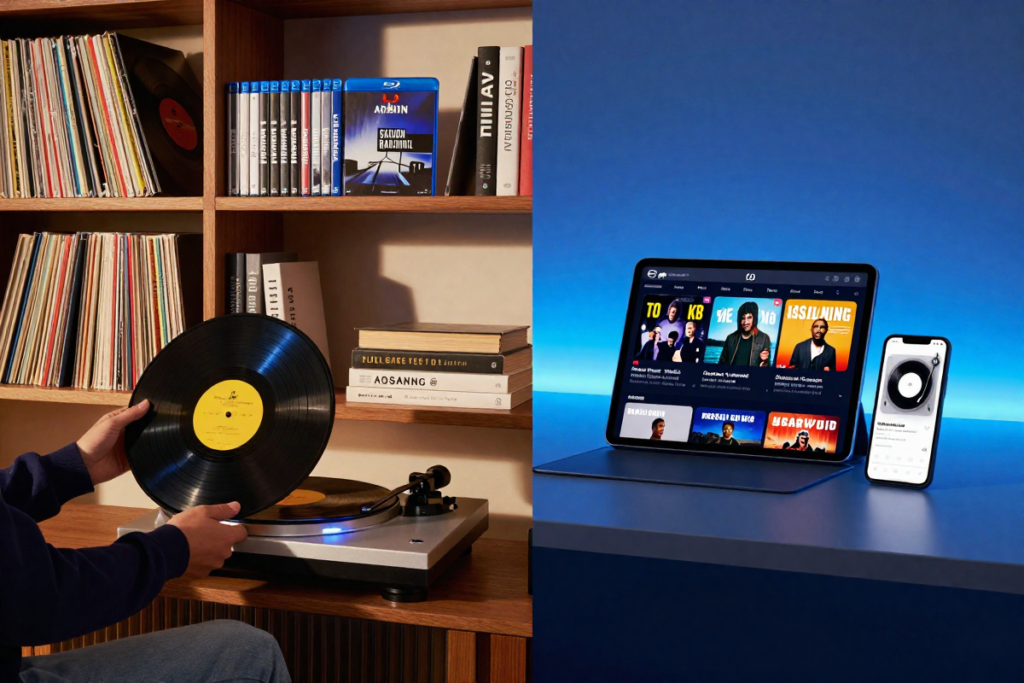
Defining Physical Media
Physical media, a term that resonates with nostalgia and tangible authenticity, encompasses all those analog and digital formats that you can hold, feel, and collect. Think of vinyl records spinning on a turntable, the satisfying click of a CD snapping into its case, or the colorful spines of beloved books lining a shelf. These are the artifacts of culture that occupy our physical spaces and bring a sense of permanence to our digital age.
In an era where the cloud hovers omnipresent and streaming platforms dominate, physical media stands as a monument to a time when owning music, movies, and books was an experience rather than a fleeting digital transaction. It’s not merely about having a collection; it’s about curating a tangible library that reflects who you are. Whether it’s a meticulously arranged vinyl shelf or a cabinet filled with DVDs, physical media offers a sensory experience unmatched by its digital counterpart.
Advantages of Physical Media
Physical media offers an array of advantages that are as relevant today as they were decades ago. First and foremost, there’s the tactile sensation, the undeniable pleasure of holding a vinyl record, flipping through the pages of a book, or hearing the mechanical click of a cassette tape. These are experiences that evoke a sense of intimacy and connection with the content, something digital media often lacks.
- Durability and Longevity Physical media offers unrivaled durability and longevity. Unlike digital formats that can become obsolete or corrupted, a vinyl record from the ’70s can still produce the same rich sound as the day it was pressed. CDs and DVDs, too, hold an advantage in terms of resilience, standing the test of time when handled with care. They don’t succumb to server crashes or digital rights management (DRM) constraints; once you own them, they are yours indefinitely.
- True Ownership True ownership is a defining characteristic of physical media. With a physical copy, you own your content outright, free from the limitations of licenses or the whims of streaming services that may pull your favorite content at any moment. There’s no need to worry about subscriptions expiring or sudden removals from a digital library. With physical media, you’re in control, able to watch, listen, and read on your terms.
- The Joy of Collecting Collecting physical media offers a unique joy and satisfaction, akin to gathering pieces of art. It’s not just about the content itself; it’s about the experience of discovering rare editions, the thrill of finding that elusive album in a record store, or the satisfaction of completing a series of classic films on Blu-ray. For many, collecting becomes a hobby that provides personal fulfillment and a tangible connection to their interests.
- Aesthetic Appeal and Sentimental Value There’s an undeniable aesthetic appeal to physical media. Beautiful album artwork, elegant book covers, and special edition packaging create a visual and sentimental value that adds to the overall experience. A well-curated collection serves as a personal gallery, a reflection of one’s tastes and passions. It offers something digital formats simply cannot: a physical presence that sparks conversation and evokes memories.
- Offline Accessibility Offline accessibility is another critical advantage. With physical media, there’s no need to worry about Wi-Fi connections or data limits. Whether you’re in a remote cabin or on a long road trip, your CDs, DVDs, or books are always ready to entertain without relying on an internet connection. It’s a refreshing break from the always-online demands of modern life, offering a sanctuary of uninterrupted enjoyment.
- Sound and Picture Quality Many aficionados argue that physical media delivers superior sound and picture quality. Vinyl enthusiasts swear by the warm, analog sound that no digital file can replicate. Blu-rays and 4K UHD discs provide crystal-clear visuals and immersive audio experiences that often surpass the compressed quality found on streaming platforms. For those who value quality, physical media is often the preferred choice.
- Nostalgia and Connection to the Past For some, physical media holds a profound sense of nostalgia, a connection to the past that evokes cherished memories and emotions. The act of placing a needle on a record or turning the pages of a vintage book can transport us back to simpler times, providing a comforting sense of continuity in an ever-changing world. It’s not just about consuming content; it’s about revisiting moments and memories that shape our identities.
In a landscape increasingly dominated by the ephemeral nature of digital content, physical media remains a steadfast bastion of tangibility and tradition. It offers not just ownership but a deeper connection to the art and culture that shape our lives. While digital media seduces with its ease and accessibility, physical media captivates with its enduring presence and authenticity. In the great debate of physical media vs digital media, the choice ultimately hinges on what you value most: convenience or connection, fleeting access or lasting ownership.
[ 👉 Check This Out! Metal Shelving For DVDs and Blu-Rays]
What is Digital Media?
Understanding Digital Media
In today’s rapidly digitizing world, digital media reigns supreme. It represents a fundamental shift in how we access and consume information and entertainment. Imagine a world where all your favorite movies, music, books, and more are just a click away, accessible anytime, anywhere. This is the realm of digital media, where pixels replace paper and streams replace discs.
Digital media encompasses everything from streaming services like Netflix and Spotify to eBooks, podcasts, and more. It’s a landscape where data flows seamlessly across devices, unburdened by the physical constraints that characterize traditional media. The advantages are clear: a limitless library of content, effortlessly organized and stored in the cloud, waiting for you whenever you’re ready to dive in.
But beyond convenience, digital media has democratized access to content, empowering creators and consumers alike. No longer are we confined to what’s available on store shelves or what our local radio stations decide to play. We now have a world of options at our fingertips, tailored to individual tastes and preferences.
Advantages of Digital Media
Digital media brings a plethora of benefits that have reshaped how we interact with content. From the vast array of choices to the ease of access, it’s a medium that offers something for everyone, whether you’re a tech-savvy millennial or a traditionalist venturing into the digital domain for the first time.
- Convenience and Accessibility At the heart of digital media’s allure is its unparalleled convenience and accessibility. Gone are the days of rifling through shelves to find that elusive DVD or CD. With digital media, a universe of content is merely a tap away. Whether you’re binge-watching a new series on your smart TV, listening to an audiobook during your morning commute, or streaming a podcast on your afternoon jog, digital media adapts to your lifestyle, making it effortless to integrate into your daily routine.
- Space-Saving Physical collections demand space, often becoming cumbersome as they grow. Digital media, however, requires no such physical footprint. Your entire library can be housed on a single device or stored in the cloud, freeing up valuable living space. This liberation from physical constraints is especially beneficial for those living in small apartments or for those who simply prefer a minimalist lifestyle.
- Cost-Effectiveness Digital media often presents a more cost-effective alternative to traditional media. Subscription services like Netflix, Amazon Kindle Unlimited, and Spotify offer access to vast libraries of content for a fraction of the cost of purchasing individual titles. This democratization of access means more people can enjoy a diverse range of media without breaking the bank. Plus, digital sales and discounts can provide even more opportunities to save on your favorite content.
- Instant Gratification In our fast-paced world, instant gratification is more important than ever. Digital media delivers just that. There’s no need to wait for shipping or make a trip to the store. Whether it’s downloading a new release the moment it becomes available or streaming live events as they happen, digital media provides immediate access to the latest and greatest content, satisfying even the most impatient consumer.
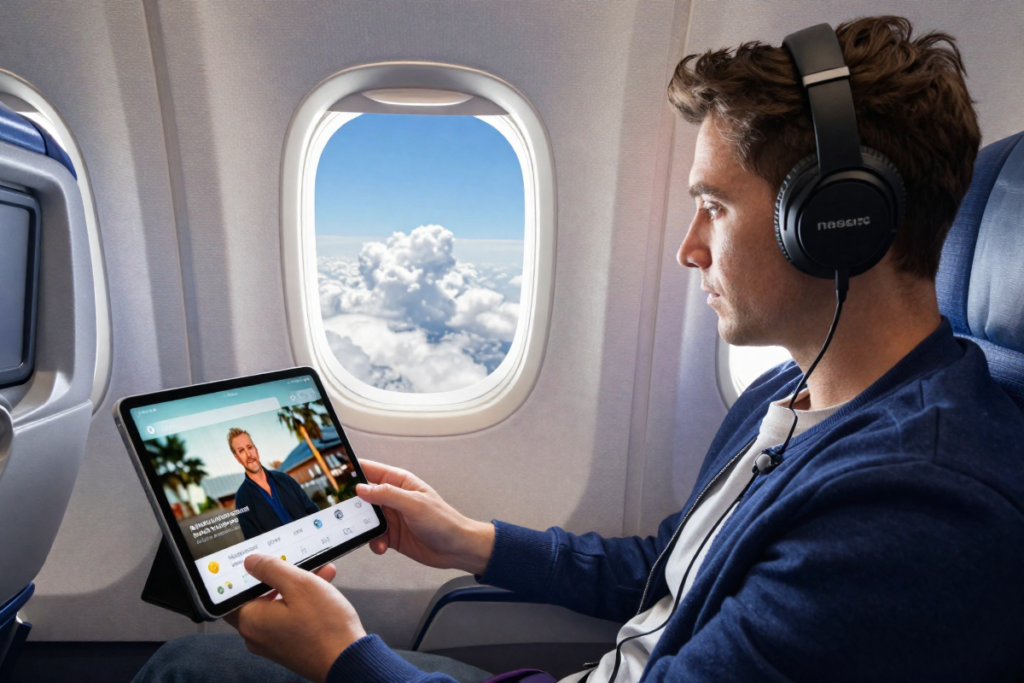
- Portability and Mobility Digital media’s portability means your entire library travels with you. Thanks to smartphones, tablets, and laptops, you’re no longer bound to one location. Whether you’re on a cross-country flight or lounging by the pool, your favorite shows, books, and music are ready at your convenience. This mobility transforms idle moments into opportunities for entertainment and education, making long waits and commutes a thing of the past.
- Customization and Personalization Digital media thrives on customization and personalization. Algorithms analyze your viewing and listening habits to recommend content tailored specifically to your tastes. This personalized experience means you’re continually discovering new favorites without the overwhelming feeling of sifting through endless options. Platforms like Spotify create personalized playlists, while Netflix suggests shows based on your past viewing history, ensuring you’re never at a loss for something to enjoy.
Environmentally Friendly
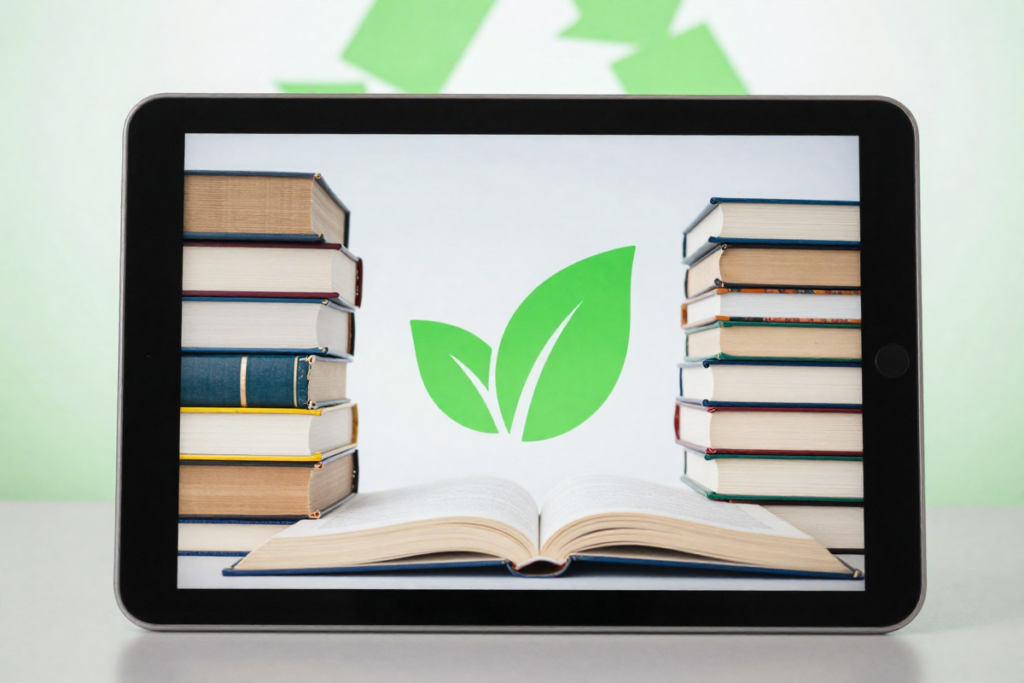
As awareness of environmental issues grows, digital media offers a more eco-friendly alternative to physical formats. By eliminating the need for manufacturing, packaging, and shipping, digital media reduces the carbon footprint associated with traditional media. For those concerned about sustainability, this aspect of digital media is a compelling advantage, aligning with broader efforts to reduce environmental impact.
- Regular Updates and Upgrades Digital media is also adaptable and ever-evolving. Software updates, content upgrades, and new releases are instantly accessible, ensuring that your media experience remains current and relevant. Unlike physical media, which can become outdated or obsolete, digital media continuously evolves, offering the latest features and content enhancements to keep you engaged and entertained.
- Enhanced Features Digital media often comes with a host of interactive and enhanced features that physical media can’t match. Think of the ease of searching for specific scenes in a movie, using interactive features in eBooks, or accessing bonus content and behind-the-scenes footage in streaming platforms. These features enrich the media experience, providing additional layers of engagement and enjoyment.
[ DIY Streaming: Build Your Own Streaming Service at Home ]
In summary, digital media represents the future of content consumption, offering convenience, cost-effectiveness, and a range of benefits that cater to modern lifestyles. While it may lack the tactile charm of physical media, its advantages are undeniable. As we navigate the choices between physical media and digital media, it’s clear that each medium offers unique benefits. The best choice depends on your personal preferences, values, and lifestyle. Whether you find joy in the tactile nature and collectability of physical media or the convenience of digital access, both formats hold a place in the ever-evolving landscape of media consumption.
Disclaimer: This article contains affiliate links. If you purchase an item through the link I will earn a small commission at no extra cost to you.